Download Our Guide for Haulage Businesses to Understand Operational Risks - ‘Moving Goods & Managing Risk’

Category: Insurance renewals

  • AI Is Changing AI Business Risk – Is Your AI Business Risk Insurance Keeping Pace?

    AI Is Changing AI Business Risk – Is Your AI Business Risk Insurance Keeping Pace?

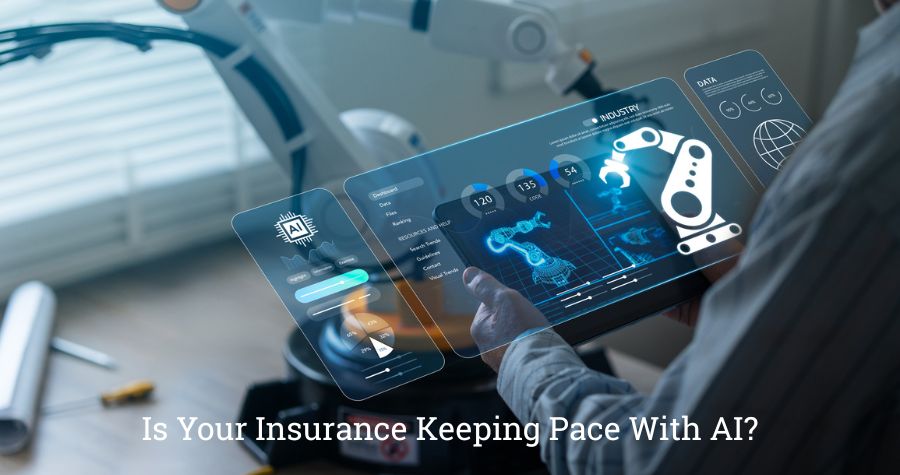
    Artificial intelligence is no longer something businesses are planning to adopt in the future, it’s a business risk that your insurance needs to cover. Your business needs to evaluate its AI business risk now.

    AI is already embedded into day-to-day operations.

    Employees are using AI to prepare reports, write marketing content, analyse data, assist with customer communications and improve productivity. Increasingly, AI is also supporting operational decisions across manufacturing, construction, logistics and professional services.

    For many organisations, this has happened organically – with little formal governance or consideration of how AI changes their overall risk profile.

    That’s why AI has become a business risk issue rather than simply an IT issue.

    The technology itself isn’t inherently risky. The challenge is ensuring that governance, contracts, cyber security and insurance evolve alongside it.

    Research from the British Chambers of Commerce suggests AI adoption among UK businesses is accelerating rapidly, while governance and internal controls are struggling to keep pace.

    AI creates different risks for different industries

    One of the biggest misconceptions is that AI creates the same risks for every business.

    In reality, the insurance implications depend entirely on how AI is being used.

    Construction

    Construction businesses are increasingly using AI to assist with estimating, bid preparation, project planning and document management.

    While these tools improve efficiency, businesses should consider what happens if AI-generated specifications, quantities or documentation contain errors that contribute to contractual disputes or professional negligence claims.

    Professional Indemnity insurance and robust review procedures become increasingly important where AI assists decision-making.

    Manufacturing

    Manufacturers are beginning to use AI to optimise production schedules, quality control and predictive maintenance.

    While these technologies can improve efficiency, businesses should also consider product liability, machinery breakdown and business interruption risks if automated systems make incorrect recommendations or contribute to operational failures.

    Accurate Business Interruption values and Machinery Breakdown cover become increasingly important as production becomes more technology-dependent.

    Haulage & Logistics

    The transport and logistics sector is rapidly adopting AI for route optimisation, fleet management and predictive maintenance.

    As more operational systems become digitally connected, businesses should consider the cyber implications alongside traditional fleet and Goods in Transit risks.

    An AI-enabled business is often a more connected business – and greater connectivity can increase cyber exposure.

    Professional Services

    Perhaps the biggest insurance implications exist for businesses whose advice forms part of the service they provide.

    Whether producing reports, financial analysis, legal documents or consultancy recommendations, AI should support professional judgement – not replace it.

    Businesses should review whether their Professional Indemnity insurance reflects how advice is now being created and delivered.

    Insurance isn’t the only consideration

    Insurance forms one part of effective AI risk management.

    Businesses should also consider:

    • Do we have an AI policy?
    • Which platforms are approved for business use?
    • Can confidential client information be uploaded?
    • Who reviews AI-generated content?
    • Do supplier and customer contracts reflect our use of AI?
    • Are directors comfortable with the governance arrangements?

    Simple governance today can help prevent much bigger issues tomorrow.

    AI doesn’t replace accountability

    One principle remains unchanged.

    If an employee relies on AI to make a decision, produce advice or communicate with a client, responsibility still sits with the business – not the software.

    Human oversight remains essential.

    Is your insurance evolving with your business?

    Most commercial insurance policies weren’t written with generative AI specifically in mind.

    That doesn’t necessarily mean AI-related claims won’t be covered—but it does mean businesses should regularly review how emerging technologies are changing their risk profile.

    At Readhunt, we work closely with businesses across construction, manufacturing, haulage, logistics and professional services to ensure their insurance programme reflects how they operate today – not how they operated five years ago. View more on our Cyber Insurance page.

    As AI continues to reshape the way businesses work, reviewing your insurance alongside your wider risk management strategy has never been more important.

  • Case Study: Cutting Insurance Costs in the Waste & Recycling Sector

    Case Study: Cutting Insurance Costs in the Waste & Recycling Sector

    Sector: Waste & Recycling
    Turnover: £50m+
    Profile: Large, independent operator

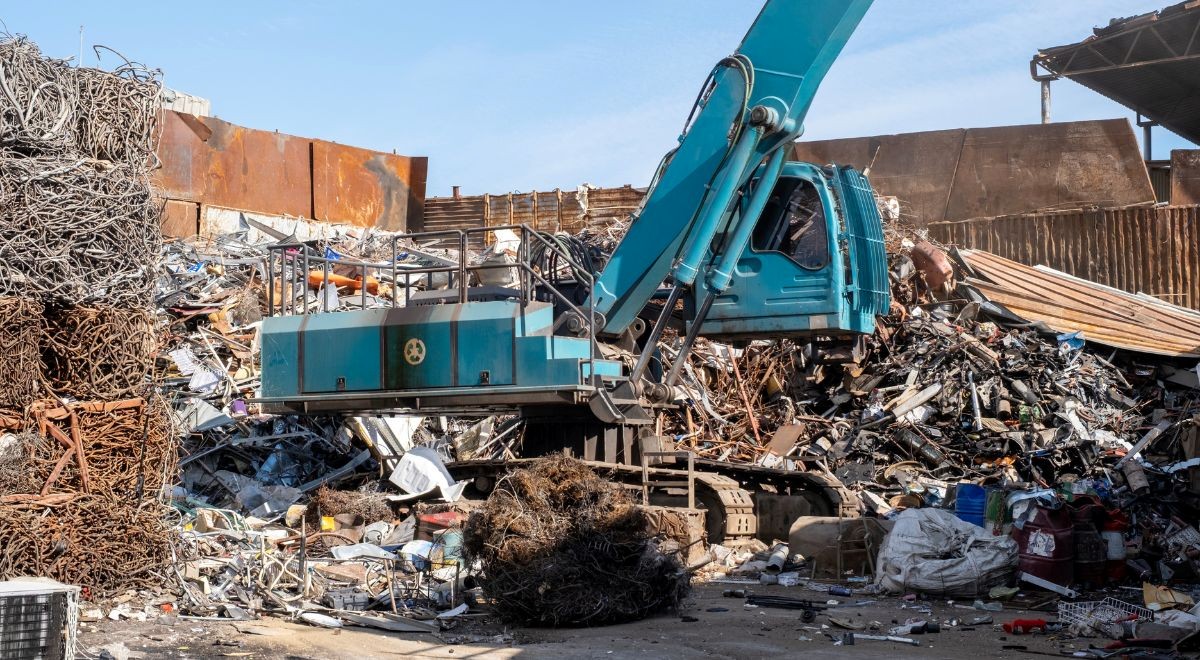
    The waste and recycling sector remains one of the most challenging classes of business for insurers. Market appetite is limited, claims frequency is closely scrutinised, and premium pressure has become the norm – regardless of individual risk quality.

    This was the position facing one of our clients: a large, well-run waste and recycling business with strong operational controls, yet premiums had increased year-on-year for over five years. The issue wasn’t performance – it was sector perception.

    The Challenge

    Despite maintaining good risk standards, the client was experiencing:

    • Sustained premium increases driven by market sentiment
    • Limited insurer appetite within the sector
    • Rising scrutiny of third-party motor claims
    • Little recognition of their actual risk quality

    They needed more than a renewal-only negotiation – they needed a proactive, year-round strategy.

    Our Approach

    At Readhunt, we believe effective insurance outcomes are built between renewals, not just at them. We worked closely with the client throughout the policy year, focusing on two key areas: claims control and risk representation.

    Active Claims Management

    We implemented tighter control of all claims, with particular emphasis on third-party motor incidents – a critical loss driver in the sector.

    This included:

    • Early intervention on claims
    • Regular insurer reviews
    • Active challenge of reserves where appropriate
    • Ongoing monitoring to prevent escalation

    By managing claims proactively, rather than reactively, we were able to demonstrate genuine improvement in loss performance.

    Proactive Risk Management & Insurer Engagement

    Alongside claims control, we focused on ensuring the business was accurately and fairly represented to insurers.

    We:

    • Arranged and attended all insurer risk surveys
    • Worked directly with insurers and surveyors to ensure site risks were properly understood
    • Supported the client in managing and evidencing post-survey actions
    • Demonstrated continuous improvement, not one-off fixes

    This hands-on involvement helped build insurer confidence and credibility throughout the year.

    The Result

    • Just over 19% reduction in annual premium costs
    • Improved insurer confidence in the risk
    • Premium levels stabilised in a restrictive market
    • No compromise on cover quality

    By actively managing claims and engaging insurers throughout the policy year – not just at renewal – we repositioned the business as a well-controlled, high-quality risk, delivering meaningful and sustainable savings.

    Why This Matters

    In challenging sectors like waste and recycling, insurance outcomes are rarely improved through last-minute negotiations alone.

    They are achieved through:

    • Year-round engagement
    • Clear risk representation
    • Proactive claims management
    • Strong insurer relationships

    At Readhunt, this is how we help clients move beyond market pressure – and take back control.

  • Flood Risk in the UK: Is Your Business Properly Protected?

    Flood Risk in the UK: Is Your Business Properly Protected?

    Flood risk in the UK is on the rise. Recent weather patterns have once again highlighted the escalating consequences of flooding to businesses across the country. From prolonged heavy rainfall to sudden surface water flooding, extreme and persistent weather events are becoming more frequent – and more severe.

    For many UK businesses, flooding is not just a property issue. It can mean:

    • Business interruption
    • Loss of stock and equipment
    • Damage to premises
    • Inability to trade for weeks or months
    • Long-term reputational and financial impact

    Even businesses not located directly next to rivers or coastlines can be affected. Surface water flooding and overwhelmed drainage systems now present a growing risk in urban and suburban areas.

    The Rising Flood Challenge for UK Businesses

    Climate trends suggest that intense rainfall events are becoming more common. Areas previously considered “low risk” are now experiencing unexpected flooding.

    For business owners, this creates three key concerns:

    1. Availability of cover – Some insurers may restrict or exclude flood protection in higher-risk postcodes.
    2. Increased premiums and excesses – Particularly in repeat-claim areas.
    3. Policy gaps – Flood may be included, but business interruption limits may not reflect realistic recovery times.

    Flood risk isn’t just about whether your building floods – it’s about whether your policy is structured correctly if it does.

    How Readhunt Supports Businesses in Flood-Prone Areas

    As an independent corporate insurance broker, Readhunt works closely with businesses operating in or near flood-risk locations.

    We can help by:

    ● Reviewing existing policies to identify flood exclusions or limitations
    ● Ensuring adequate business interruption indemnity periods
    ● Accessing specialist markets where standard insurers may decline
    ● Advising on risk management improvements to support underwriting
    ● Structuring cover that protects stock, plant, machinery and equipment

    Our London Market access allows us to explore solutions beyond standard offerings, particularly where flood exposure is a concern.

    Beyond Insurance: Risk Management Matters

    Insurers increasingly look for proactive risk management. Simple measures can strengthen your position:

    • Updated flood risk assessments
    • Physical flood barriers or airbrick covers
    • Clear business continuity planning
    • Off-site data backups
    • Relocation contingencies

    The stronger your risk presentation, the more options we can explore on your behalf.

    Is Your Business Prepared?

    If your premises are located:

    • Near rivers, canals or coastal areas
    • In low-lying or urban drainage zones
    • Within industrial estates with shared infrastructure
    • In areas that have experienced flooding in recent years

    It may be time for a proactive review.

    Flood recovery can take months – but the right insurance structure can make the difference between disruption and survival.

    If you would like a confidential review of your flood exposure and current insurance programme, our team are happy to help. Call us on 01709 278178 or email info@readhunt.co.uk.